

I am excited to announce that I have recently obtained the Basic Life Support and Defibrillation (BLS) certification. This certification provides me with the skills and knowledge I need to respond to cardiac emergencies, including performing CPR(Cardiopulmonary Resuscitation) and using an AED (Automated External Defibrillation).
I decided to pursue this certification because I believe that it is an important skill for everyone to have. Cardiac emergencies can happen to anyone, at any time, and being able to respond quickly and appropriately can save lives.
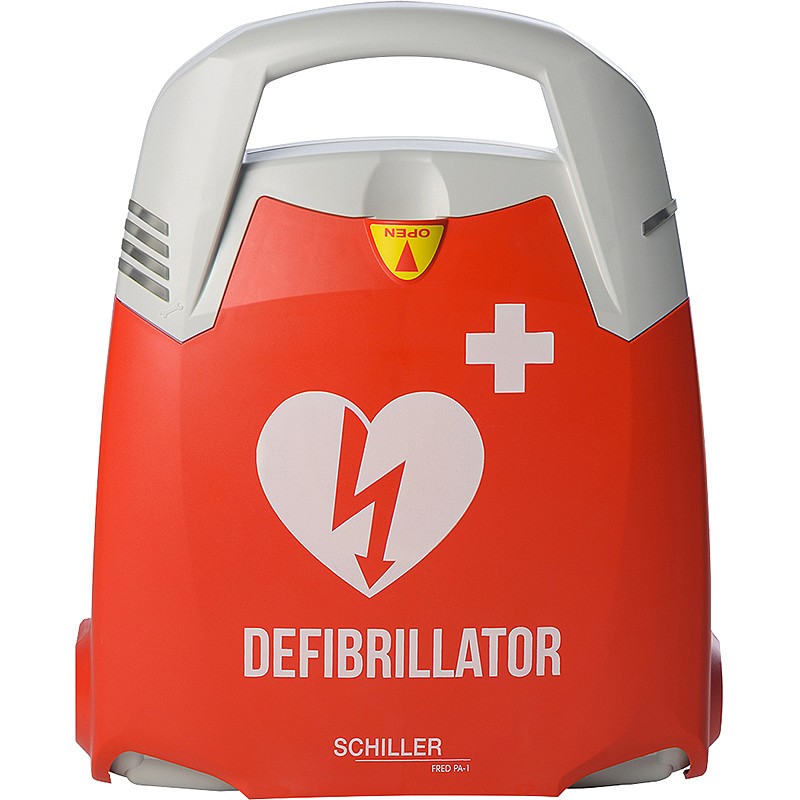
During my BLS training, I learned how to:
- Recognize the signs and symptoms of a cardiac emergency
- Call the emergency number and activate the immediate response system
- Perform CPR on adults, children, and infants
- Use an AED
I also learned about the importance of bystander intervention. Bystander intervention is when a person who is not a medical professional provides assistance to someone who is experiencing a cardiac emergency. Bystander intervention can double or triple the chances of survival.
I believe that everyone should have the opportunity to learn these life-saving skills. That’s why I am encouraging everyone to consider getting BLS certified.
Here are some specific examples of how BLS certification can be beneficial for society:
- Increased survival rates: Studies have shown that bystander CPR and AED use can significantly increase survival rates for people experiencing cardiac arrest.
- Reduced burden on emergency services: Bystanders who are able to provide CPR and AED use can help to reduce the burden on emergency services, which can save time and lives.
- Increased public awareness: Bystander CPR and AED training can help to increase public awareness of cardiac emergencies and how to respond to them.
I am committed to using my BLS certification to help others. I encourage everyone to join me in getting certified and making our communities safer.
What you can do:
If you are interested in getting BLS certified, there are many organizations that offer training courses. You can find a list of certified training centers on the website of the American Heart Association.
Once you are certified, be sure to keep your skills up-to-date by renewing your certification every two years. You can also volunteer to teach CPR and AED classes to others.
By getting BLS certified, you can help to make our communities safer and save lives.

 DiegoTurri.com
Leave a comment